
IBEX ICEAXE
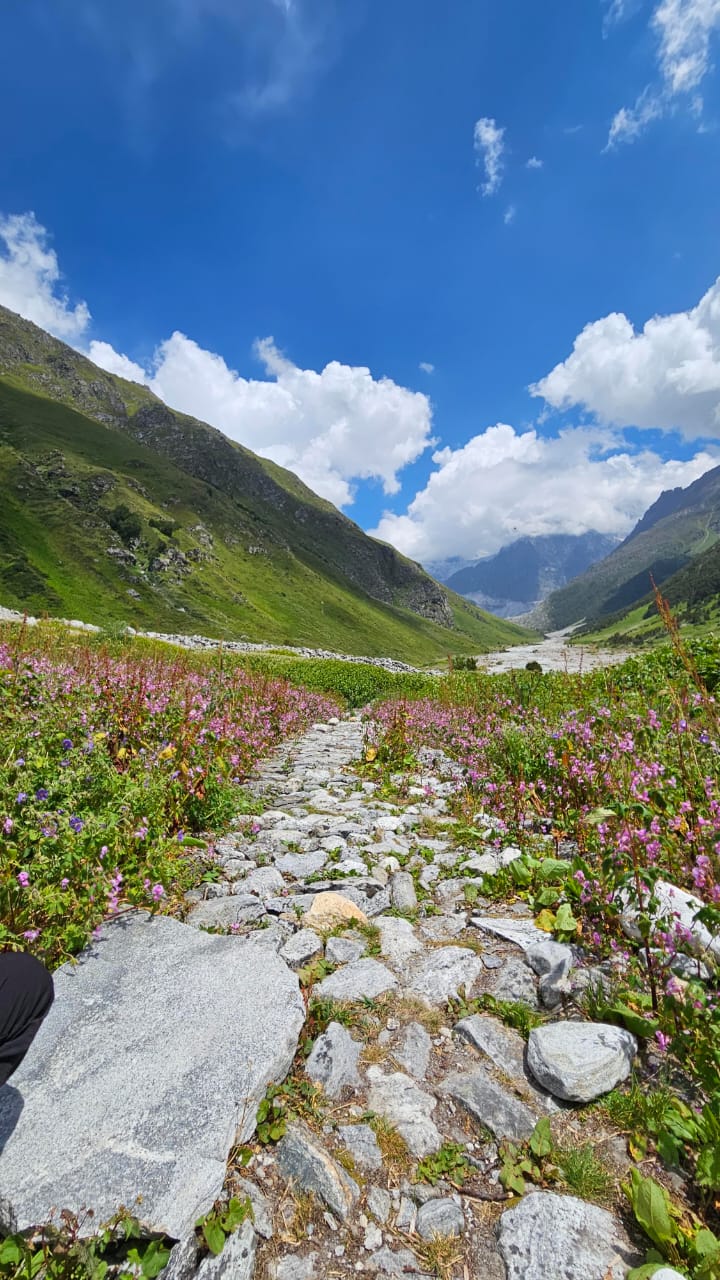
Valley of Flowers
A trail of flowers, a journey to peace
Book Now



Trusted by 200+ Happy
Clients
Clients
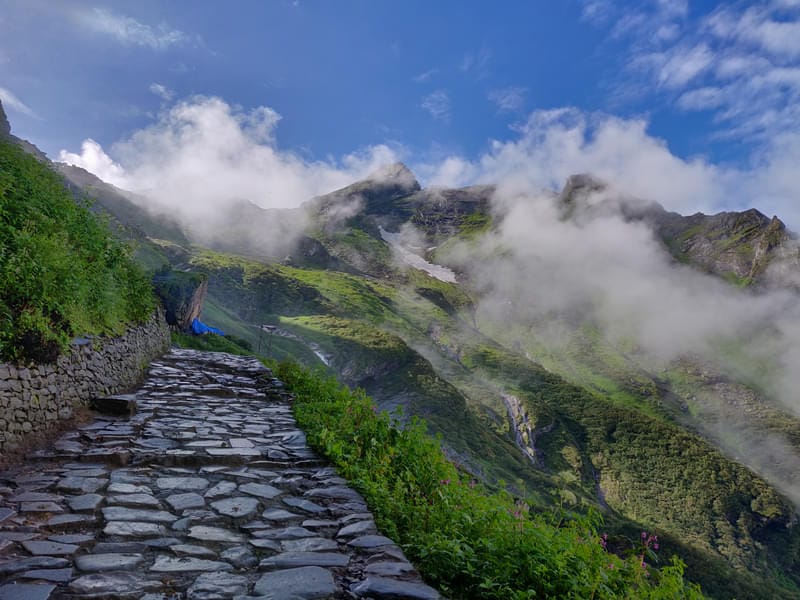
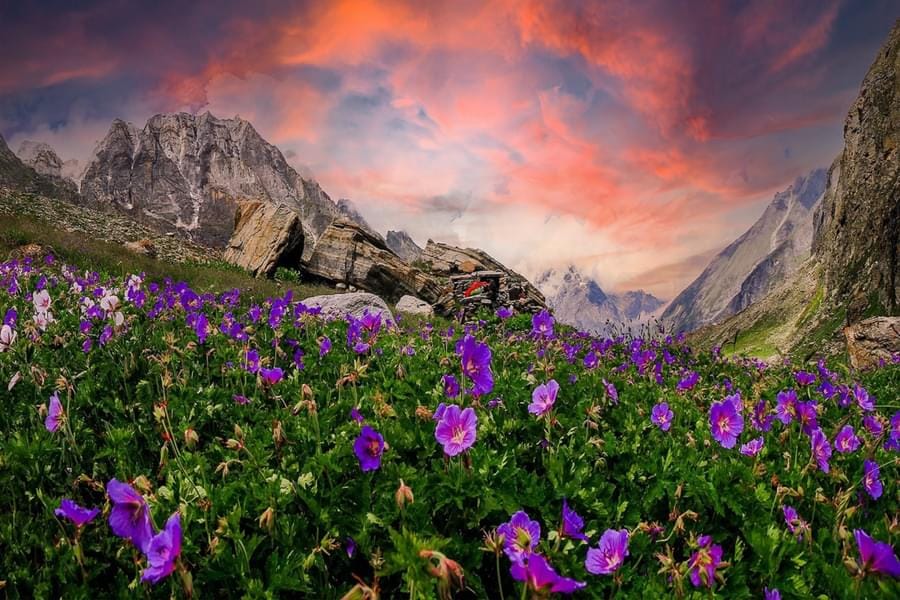
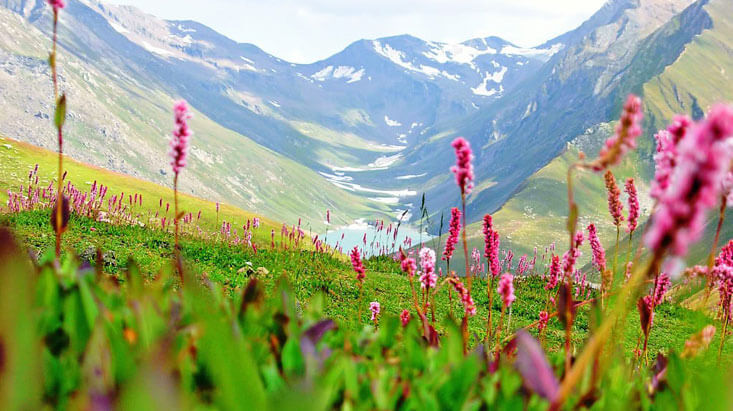
Valley of Flowers Trek 2026 · ₹12,999 + 5% GST
A Trail of Flowers, A Journey to
Peace.
Peace.
6D/5N
About Valley of Flowers Trek
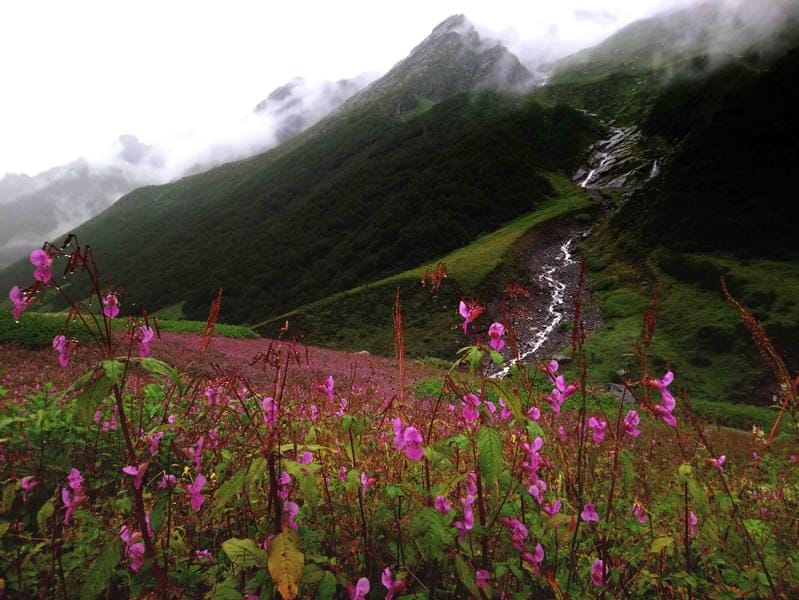
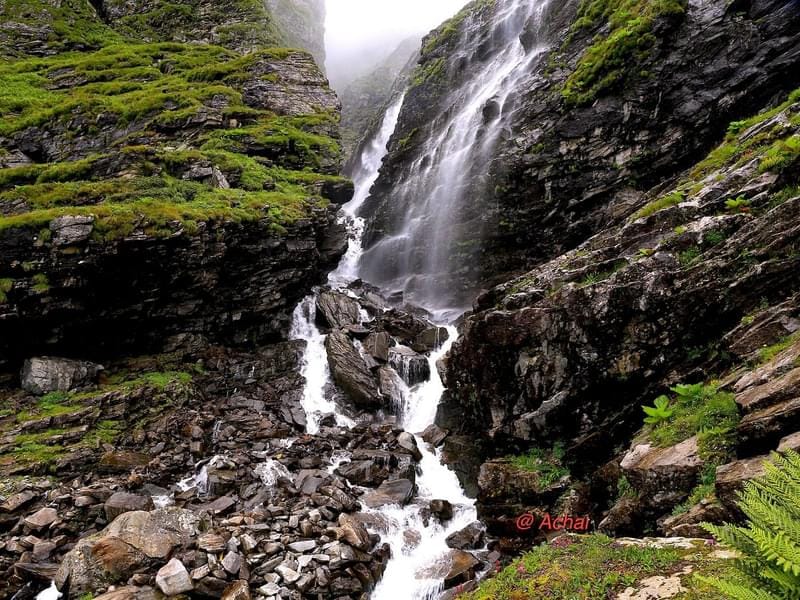
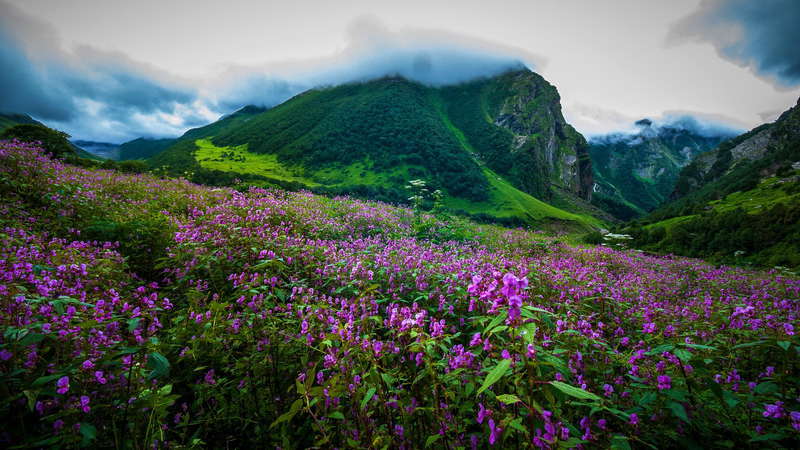
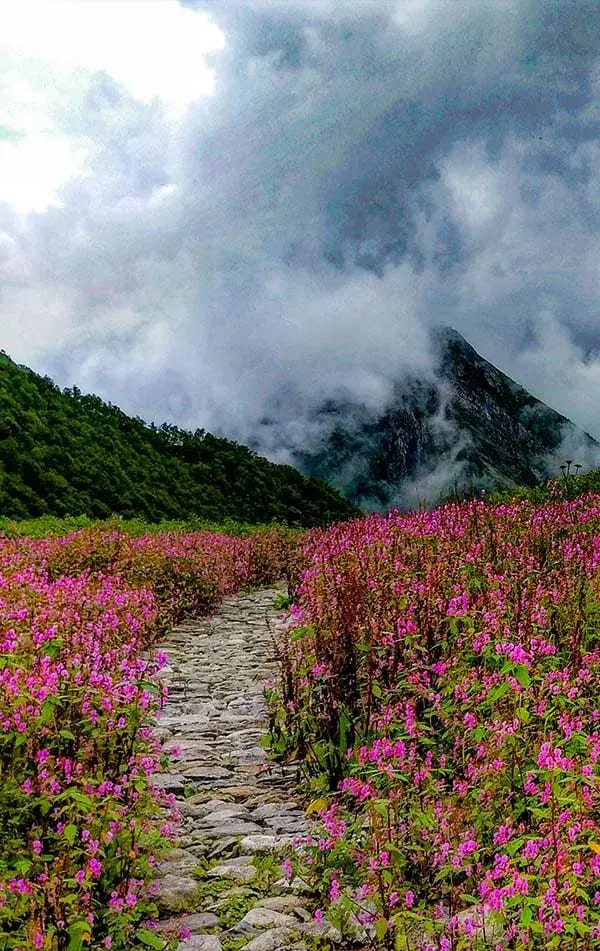
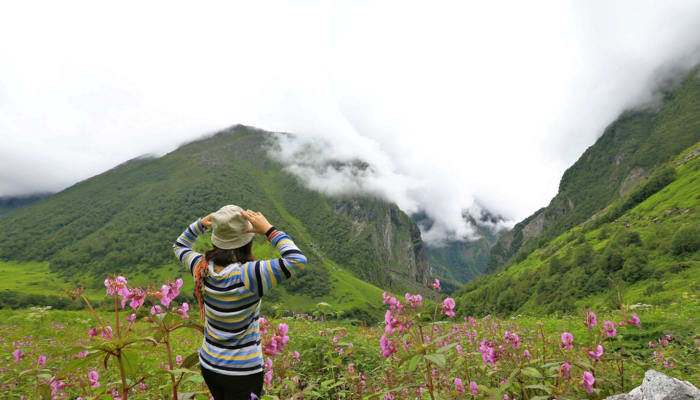
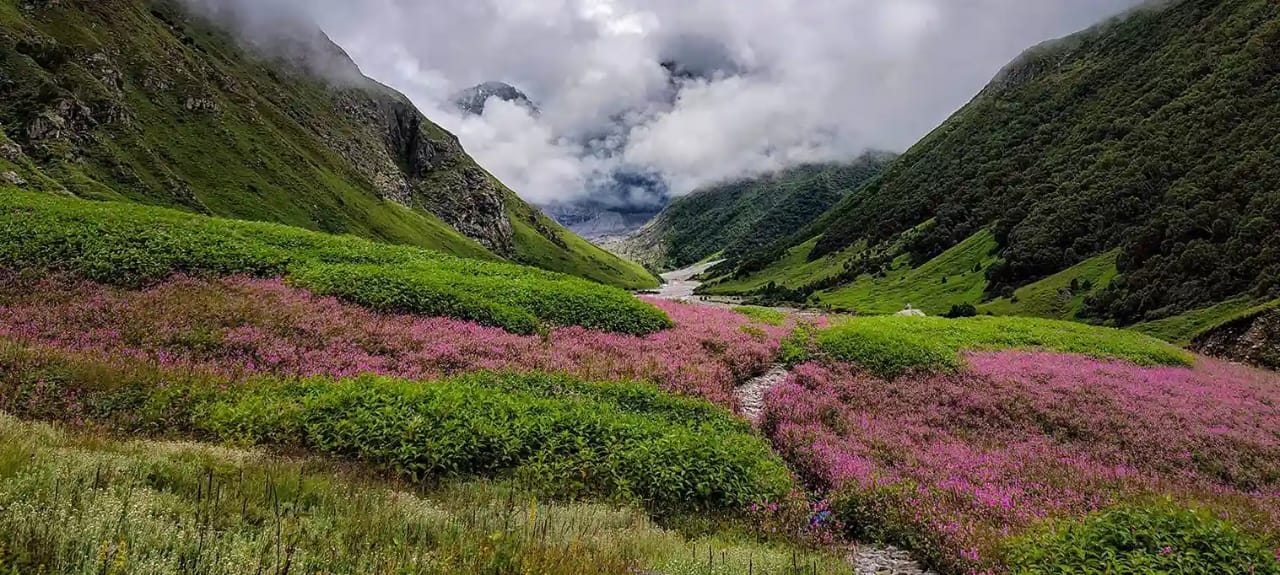
The Valley of Flowers Trek is one of the most beautiful Himalayan treks in Uttarakhand and a UNESCO World Heritage Site. Famous for its colorful alpine meadows, snow-capped peaks, and rich biodiversity, this trek attracts nature lovers and adventure enthusiasts from across India.
Located in the Chamoli district of Uttarakhand, the Valley of Flowers reaches an altitude of approximately 14,100 feet. The trek also includes a visit to the sacred Hemkund Sahib, one of the highest Gurudwaras in the world.
The best time to do the Valley of Flowers Trek is from July to September when more than 500 species of Himalayan flowers bloom across the valley.
Day 1
Day 2
Day 3
Day 4
Day 5
Day 6
Day 1: Rishikesh to Pipalkoti – A Scenic Himalayan Drive
Your journey begins with a long but breathtaking drive from Rishikesh to Pipalkoti. Covering 200 km in 9–10 hours, the route takes you through winding mountain roads, dense forests, and river valleys.
On the way, you will pass iconic confluences like Devprayag and Rudraprayag, where rivers merge to form the sacred Ganga. Enjoy the serene Himalayan landscapes before reaching Pipalkoti for an overnight stay.
Highlights of the trip
Country: India
Location: Uttarakhand
Days: 6
Altitude: 14, 100ft (4,300m)
Distance: 37km
Grade: Easy to Moderate
Season: Monsoon
Month: June, July, August, September
Why is Valley of Flowers a Must-Do Trek?
- The trek takes you to a spectacular Himalayan valley blooming with over 500 species of rare alpine flowers, including Himalayan Blue Poppy and Brahma Kamal.
- The colorful floral landscape, set against a backdrop of snow-clad mountains, offers a dreamlike experience
- You also visit Hemkund Sahib, one of the highest Gurudwaras in the world, situated beside a pristine glacial lake surrounded by seven peaks.
- It’s a UNESCO World Heritage Site, rich in biodiversity, offering chances to spot unique flora and fauna
- A perfect blend of natural beauty, spirituality, and adventure, making it a truly once-in-a-lifetime experience.
Age Requirement
- Minimum age: 9 years
Fitness Criteria
- Should be able to jog 5 km in 35 minutes or 10 km in 80 minutes without stress.
- Alternatively, should be able to cycle 10 km in 30 minutes
- If carrying a backpack: 10–12 kg. If off-loading, must be able to carry 3–5 kg
How To Reach
- Pick-Up Point: Tapovan, Rishikesh (opposite Shiv Vilas Hotel) at 6:00 AM
- Drop-Off Point: Tapovan, Rishikesh (arrive back by 6:30–7:30 PM)
Options to reach Rishikesh
- Train/Bus to Rishikesh, Haridwar (25 km away), or Dehradun (50 km away)
- Flight to Jolly Grant Airport, Dehradun (21 km from Rishikesh)
Recommended to arrive the day before and keep a buffer day in July & August due to monsoon delays.
Trek Essentials
- Accommodation: Guesthouses in Pipalkoti and Ghangaria, triple/dormitory basis
- Meals: Veg (and eggs); from Day 1 dinner to Day 5 dinner
- Trek Equipment: Tents, sleeping bags, liners, mattresses, utensils, kitchen/dining/toilet tents
- Support Team: Certified trek leader, base camp manager, guides, high-altitude cook, porters
- First Aid: Medical kit, oxygen, BP monitor, oximeter, stretcher
- Transport: From Rishikesh to Pipalkoti and back, and local transport to Pulna, Govindghat, Badrinath (if opted)
- Other: Permits, cloakroom, trek completion certificate
Inclusion
- Stay at Pipalkoti (Day 1 & 5) and Ghangaria (Day 2–4)
- Veg + egg meals (Day 1 dinner to Day 5 dinner)
- Certified trek leaders, chef, support staff
- Trekking gear and camping equipment
- First aid and emergency response setup
- All permits and entry fees (Indian nationals)
- Transportation (if opted)
- Cloakroom facility at base camp
- Trek completion certificate
Exclusion
- Travel Insurance (mandatory)
- Food during transit
- Personal expenses
- Mule/porter for personal luggage
- Emergency evacuation, hospitalization
- Anything not mentioned under Inclusion
Things To Carry
- Waterproof trekking shoes
- Raincoat or poncho
- Warm jacket
- Water bottle
- Sunscreen and sunglasses
- Personal medicines
- Trekking pole
- Headlamp or torch
Best Time To Visit Valley of Flowers
- July – Beginning of flower blooming season
- August – Peak bloom and most colorful landscapes
- September – Clear mountain views with fewer crowds
Frequently Asked Questions (FAQ)
When is the best time to visit Valley of Flowers?+
The best time is July to mid-September. This is when the flowers are in full bloom due to monsoon rains.
What is the total trek distance?+
The trek is approximately 38 km round trip:
What is the trek altitude and difficulty level?+
Altitude: Around 12,000 ft (3,658 m) at the highest point in the Valley. Difficulty: Easy to moderate. The trail is well-defined but requires good stamina because of the climb and altitude.
Where does the trek start and end?+
Start: Govindghat (near Joshimath, Uttarakhand). End: Govindghat. From Govindghat, you trek to Ghangaria, the base village for the Valley of Flowers and Hemkund Sahib.
How many days does the trek take?+
Typically 5 to 6 days, including travel
How to reach Valley of Flowers from Delhi?+
By road: Delhi → Rishikesh → Joshimath → Govindghat (~520 km). By train: Nearest station: Haridwar/Rishikesh. By air: Nearest airport: Jolly Grant Airport, Dehradun. From Govindghat, start the trek.
Do I need permits?+
Yes. You need to purchase an entry permit at the Forest Department checkpoint at Ghangaria.
What are some places to visit nearby?+
Hemkund Sahib (a Sikh pilgrimage site, 6 km from Ghangaria). Badrinath Temple (famous Char Dham temple). Mana Village (India’s last village near Tibet border). Auli (skiing destination).
Is it safe to travel and trek?+
Yes, it is generally safe. However: Avoid trekking during heavy rains (risk of landslides). Stick to marked trails. Carry ID and emergency numbers.
Is camping allowed in the Valley?+
No, camping and overnight stays are strictly prohibited inside the Valley of Flowers as it is a UNESCO World Heritage Site and protected area.
Are mules/porters available for luggage?+
Yes. You can hire mules and porters at Govindghat or Ghangaria for carrying luggage.
What fitness level is required?+
A basic to moderate level of fitness is enough. You should be able to walk 8–10 km uphill comfortably. Start light exercises or walking a month before the trek.
How many flower species can be seen?+
Over 500 species of flowers, including rare Himalayan varieties like: Brahma Kamal, Blue Poppy, Cobra Lily, Himalayan Bellflower
Is the Valley of Flowers trek famous?+
Yes, it is one of India’s most famous Himalayan treks and a UNESCO World Heritage Site known for its alpine flowers and natural beauty.
Related Treks
IBEX ICEAXE
Copyright © 2025 IBEX ICEAXE. All Rights Reserved.
Trusted by 500+
Happy Adventurers
Happy Adventurers